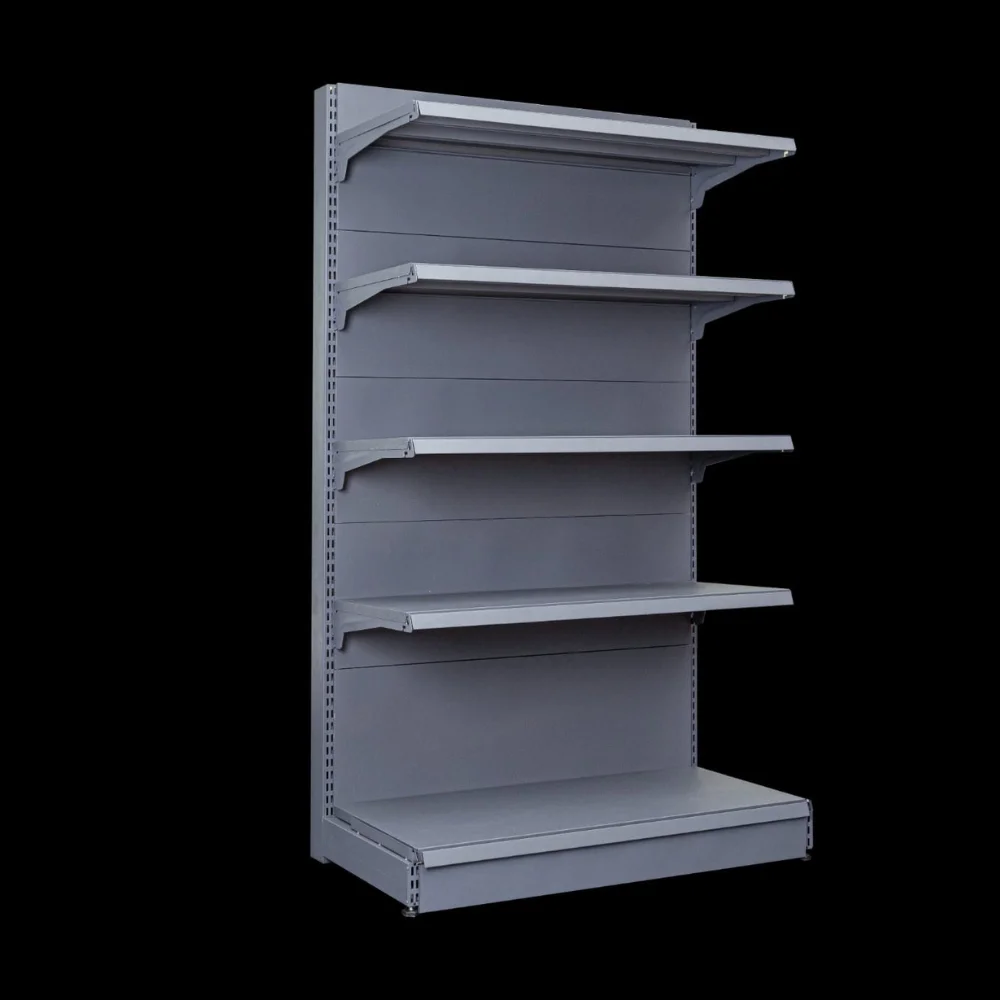
When it comes to organizing a retail space, optimizing a busy office, or transforming an industrial environment, floor space is always at a premium. Businesses frequently face the challenge of inventory overflow and cluttered floor plans. How do you increase your storage or display capacity without extending your physical footprint? The most efficient answer lies right on your walls.
At Shop Solutions Midlands, we specialize in high-performance storage architecture. Choosing the right wall shelving unit is not just an aesthetic choice—it is a structural and strategic decision that impacts workplace safety, operational efficiency, and product visibility. This comprehensive guide breaks down the core types of wall shelving systems, high-capacity materials, and implementation strategies to help you select the ideal setup for your specific layout.
Why Should You Invest in a Professional Wall Shelving Unit?
Many businesses initially make the mistake of deploying residential-grade shelving in a commercial environment. This choice often leads to structural sagging, frequent replacements, and potential safety hazards. Implementing a commercial-grade wall shelving unit offers distinct operational advantages:
- Optimized Vertical Footprint: Moving inventory, equipment, or displays to the wall frees up highly valuable floor space, improving foot traffic flow and spatial efficiency.
- Enhanced Product and Asset Visibility: A clean, well-organized wall shelf ensures that items are instantly identifiable, speeding up inventory checks and restocking cycles.
- Superior Load Capacity: Engineered industrial systems are rated for heavy weight limits, ensuring your inventory remains secure without risk of structural failure.
- Modular Flexibility: Professional systems allow you to alter shelf heights, add brackets, and expand your configuration as your business storage requirements evolve.
What Are the Main Types of Wall Shelving Systems Available?
Different environments demand distinct structural designs. Matching the mechanics of your shelving system to your day-to-day operations is essential. Here are the primary systems engineered by Shop Solutions Midlands:
1. Adjustable Twin-Slot Shelving Units
Twin-slot systems are the backbone of adaptable commercial storage. They feature vertical metal uprights that secure directly to the wall, featuring parallel slots spaced at precise intervals.
- How they work: Drop-in brackets lock securely into the slots, supporting timber, glass, or steel shelves.
- Best used for: Stockrooms, office archives, and retail displays where inventory sizes fluctuate frequently. Because you can alter the vertical clearance between shelves in seconds, this setup minimizes wasted overhead space.
2. Fixed-Bracket Architectural Shelves
If you require a permanent, high-stability installation with a clean architectural profile, fixed-bracket units are the industry standard.
- How they work: Heavy-duty brackets are anchored directly into wall studs or solid masonry, supporting a single, non-adjustable tier.
- Best used for: High-visibility retail feature walls, premium product showcases, or workspaces requiring a minimalist, modern aesthetic without visible slot tracks.
3. Floating Wall Ledges and Shelves
Floating units feature an internal, concealed mounting bracket system. Once installed, the shelf slide covers the metal infrastructure completely, leaving no visible support elements underneath.
- How they work: The internal anchor frame bears the load, distributing it cleanly across the wall anchors.
- Best used for: High-end boutique retail, modern office lobbies, and front-of-house displays where a sleek, clutter-free design is required to elevate product presentation.
4. Heavy-Duty Wire Wall Shelving
For environments governed by strict hygiene, moisture control, or airflow regulations, open-wire steel shelving is the premier choice.
- How they work: Welded steel wire grids form the shelving surface, supported by specialized industrial wall brackets.
- Best used for: Commercial kitchens, cold storage walk-in chillers, medical supply rooms, and damp stock areas. The open wire grid prevents dust accumulation, allows light penetration, and ensures optimal air circulation.
Which Material Best Suits Your Commercial Environment?
The material composition of your wall shelving unit directly determines its weight threshold, longevity, and environmental resilience. At Shop Solutions Midlands, we categorize materials based on their optimal functional use cases:
Industrial Steel and Heavy-Duty Metal
For sheer strength, powder-coated or galvanized steel is unmatched. Metal shelving resists scratching, impacts, and chemical exposure. It is the definitive option for back-of-house, automotive parts, heavy tools, and bulk stock. Galvanized variations also provide vital rust protection in high-humidity or cold-storage applications.
Premium Hardwood and Finished Timber
Solid oak, walnut, and high-density timber variants offer exceptional structural rigidity alongside natural warmth. Wood shelving units excel in public-facing retail environments, corporate boardrooms, and hospitality settings. They carry high weight capacities when properly supported and offer an upscale feel that metal systems cannot match.
Tempered Safety Glass
Tempered glass shelves provide zero visual obstruction, allowing light to filter completely down through multi-tiered displays. This material is primarily chosen by premium dispensaries, electronics stores, beauty boutiques, and jewelry retailers. It must be paired with specialized padded chrome or brass brackets to prevent scratching or localized stress fractures.
How Do You Safely Determine the Weight Capacity of Your Wall?
A wall shelving unit is only as strong as the substrate it is anchored to. Before loading shelves with heavy assets, it is critical to evaluate your structural architecture.
Safety Warning: Never attempt to mount a high-capacity commercial shelf directly into unsupported drywall using standard plastic wall plugs. This is a primary cause of wall structural damage and shelving collapse.
- Stud-Wall (Drywall) Installation: Heavy loads must be anchored directly into the timber or metal studs behind the plasterboard. If stud placement does not align with your bracket spacing, a timber pattress or backing board must be secured to the studs first to distribute the weight safely.
- Solid Masonry (Brick/Concrete): This provides the ideal foundation for high-capacity shelving. By utilizing zinc-plated steel sleeve anchors or nylon rawlplugs designed for masonry, you can safely maximize the rated load limits of your industrial brackets.
What Are the Key Steps for a Professional Shelving Installation?
A precise installation ensures your system remains level, rigid, and safe over years of intense commercial use. Follow this structural sequence for the best results:
Ready to Transform Your Workspace with Shop Solutions Midlands?
Maximizing your storage capacity requires the right blend of durable materials, smart layouts, and professional-grade hardware. Whether you need a sleek floating aesthetic for a retail storefront or rugged, twin-slot metal units for an industrial warehouse, Shop Solutions Midlands provides tailored, high-capacity storage solutions engineered to last. Contact our spatial design specialists today to plan your layout optimization.