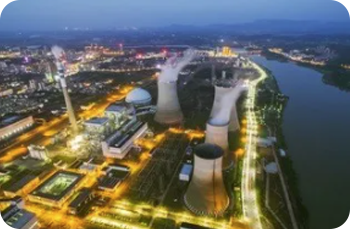
The efficiency and reliability of a modern power plant hinge significantly on the seamless integration of its core components, most notably the boiler water supply system of boiler island. This critical system acts as the lifeblood of the power generation process, ensuring that high-quality, treated water is delivered continuously to the boiler unit to maintain optimal steam production levels. When engineers and project managers embark on the construction or upgrading of a power plant, they focus on creating a cohesive environment where fluid dynamics, heat exchange, and pressure regulation operate in perfect harmony. By prioritizing the stability and advanced engineering of the feed water circuit, operators can significantly enhance the plant’s overall thermal efficiency and longevity, ultimately contributing to a more sustainable energy output.
The Engineering Backbone of Power Plants
A boiler island is a sophisticated assembly of systems designed to convert chemical energy into thermal energy and, subsequently, into high-pressure steam. At the center of this process, the water supply system requires precise control mechanisms. Advanced automated valves, high-capacity pumps, and real-time monitoring sensors are essential to manage the varying demands of the boiler during fluctuating load conditions. These components must be designed for durability, capable of withstanding the high temperatures and pressures inherent in power generation.
Structural Integrity and Emissions Management
Beyond the internal fluid systems, the structural components of the boiler island play a vital role in environmental compliance and operational safety. A critical infrastructure element is the chimney of boiler island, which is engineered not only to provide the necessary draft for efficient combustion but also to manage the dispersion of flue gases in accordance with strict environmental standards. Modern chimney design incorporates advanced materials resistant to corrosion from acidic flue gas components, ensuring structural integrity over a lifespan that spans decades. The design process must account for local wind patterns, seismic activity, and the specific composition of the fuel being utilized, making it a masterpiece of civil and environmental engineering.
Strategic Approach to Project Execution
For developers looking to streamline the complex process of power plant construction, adopting boiler island epc turnkey solutions is the most effective strategy. This approach consolidates engineering, procurement, and construction under a single point of responsibility. By engaging with an experienced partner that specializes in full-scale integration, project owners can mitigate risks associated with multi-vendor coordination, interface mismatches, and scheduling delays. This holistic method ensures that every aspect of the boiler island, from the intricate water supply piping to the towering chimney, is designed and installed to work as a unified, high-performance machine.
Enhancing Operational Efficiency
The synergy between the boiler island’s water supply and its exhaust system is essential for performance optimization. When the water supply is perfectly conditioned and consistently delivered, the risk of scaling and corrosion within the boiler tubes is minimized. This, in turn, keeps the heat transfer surfaces clean, allowing the heat generated by combustion to be transferred into the steam more effectively. A well-designed system translates to lower fuel consumption per megawatt-hour produced, providing a substantial economic advantage to plant operators.
Technology Integration and Digitalization
Modern power plants are increasingly adopting digital twin technology to monitor the health of their boiler islands. By integrating data from sensors embedded in the feed water pumps, temperature gauges in the steam drums, and emission monitors located in the chimney, plant operators can gain a comprehensive view of their assets. This proactive approach to maintenance allows for the identification of potential issues before they cause downtime. When these systems are implemented as part of an integrated project, the data streams are unified from day one, facilitating smarter decision-making throughout the plant’s life cycle.
Future Outlook for Boiler Infrastructure
The global energy landscape is shifting, and boiler islands must adapt to handle more flexible operational requirements. Future-proofing these assets involves designing for rapid load changes and the potential for co-firing different fuel types. Reliability remains the cornerstone of energy security, and investing in high-quality systems—from the initial water intake to the final discharge through the chimney—ensures that power plants remain viable and profitable in an evolving market. Whether it is an upgrade to an existing facility or the development of a brand-new plant, the focus must remain on precision, quality, and comprehensive project management.
Conclusion
The successful implementation of power generation infrastructure relies on the careful integration of every system within the boiler island. From the vital water supply system that ensures constant steam production to the robust chimney that manages emissions safely, every element must be engineered to meet the highest industry standards. Utilizing turnkey EPC solutions simplifies this complex process, ensuring that all components are aligned, tested, and optimized for maximum reliability and efficiency. By focusing on technical excellence and integrated design, project stakeholders can build power facilities that meet current energy demands while providing a strong foundation for the future.