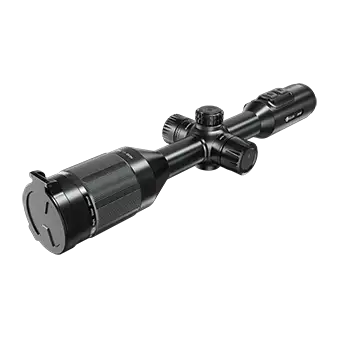
When preparing for a night out in the wild, the debate between thermal monocular vs night vision which is better for hunting is a common starting point for enthusiasts. Both technologies open up a world that remains hidden to the naked eye, allowing observers to track movement, identify game, and navigate terrain with unprecedented clarity. Thermal imaging detects heat signatures, making it exceptionally effective at spotting animals against the landscape regardless of light conditions. On the other hand, traditional night vision intensifies available ambient light, providing a more detailed, « natural » view of the surroundings. For those new to the field, understanding how these tools perform in different environments is key to enhancing the overall experience of night-time observation and ethical game management.
Understanding the Mechanics of Night Observation
Thermal imaging works by sensing infrared radiation, essentially creating an image based on temperature differences. This makes it an incredibly powerful tool for detecting living creatures that emit body heat, even in complete darkness or behind light foliage. Because it does not rely on light, it works equally well during the day and at night.
Night vision, conversely, functions by collecting photons through a lens and multiplying them using an image intensifier tube. This provides a high-resolution view of the environment, which can be beneficial for situational awareness and identifying details such as antlers or specific features of the terrain that might be blurred in a thermal display.
Advantages of Thermal Technology
One of the most significant benefits of thermal technology is its ability to see through total darkness, fog, and light brush. Animals have a distinct thermal signature, which stands out vividly against the cooler ambient temperature of the outdoors. This contrast makes it much easier to locate wildlife that might otherwise remain perfectly camouflaged. Whether scanning a large field or looking through the trees, the ability to immediately identify a heat source saves time and increases the success of your tracking efforts.
Selecting the Right Gear for Your Environment
When you are venturing into challenging terrain, a thermal clip on for wildlife tracking in dense forest can significantly streamline your workflow. By attaching a thermal unit to your existing optics, you maintain your familiar setup while gaining the immense advantage of heat detection. This is particularly useful in thick woods where traditional night vision might struggle due to the lack of light penetration. The clip-on configuration allows for quick transitions between observation and action, providing a seamless experience for those who need to maintain focus on dense surroundings without constantly switching between different handheld devices.
The Versatility of Digital Options
For those just starting out, the decision regarding digital night vision vs thermal imaging for beginners often comes down to budget, ease of use, and the specific type of terrain you frequent. Digital night vision systems offer a great entry point, often featuring recording capabilities and an intuitive interface that makes them very user-friendly. These devices use digital sensors to process the image, which can then be displayed on a screen inside the viewfinder.
Thermal imaging, while generally representing a higher initial investment, offers the highest level of detection capability. For a beginner, the learning curve is often shorter with thermal because the image is straightforward—if something is hot, it glows. This simplicity allows the user to focus more on tracking and observing rather than adjusting settings to account for ambient light levels.
Enhancing Your Field Experience
Integrating these advanced optics into your routine requires practice and an understanding of the environment. In a dense forest, the main challenge is the obstruction of views. Here, the heat-seeking nature of thermal optics excels, as body heat is often visible even when the animal itself is obscured by branches or leaves.
Maintaining your gear is equally important. Ensure that lenses are kept clean and that you have a reliable power source, as these electronic devices require consistent energy to operate effectively during long nights in the field. Familiarizing yourself with the specific color palettes and sensitivity settings of your chosen device will allow you to adapt quickly to changing temperatures and humidity levels.
Optimizing Your Setup for Success
Whether you choose to invest in a dedicated monocular or a versatile clip-on system, the core objective remains the same: to observe wildlife ethically and safely. When hunting or tracking, the goal is always identification and precision. Thermal devices provide that initial detection that is often the difference between success and a missed opportunity.
By combining these modern tools with traditional woodsmanship skills, you elevate your capability as an observer. The ability to monitor wildlife without disturbing their natural behaviors provides a unique perspective and a deeper connection to the outdoors. As technology continues to evolve, these devices are becoming more compact, more powerful, and easier to integrate into your standard gear loadout, ensuring that you are always ready for what the night brings.
Final Considerations for Enthusiasts
The journey into night observation is rewarding and full of discovery. As you weigh the pros and cons of digital night vision vs thermal imaging for beginners or explore the utility of a thermal clip on for wildlife tracking in dense forest, remember that your choice should align with your primary use case. If you find yourself in vast, open spaces, the long-range detection of thermal is unmatched. If you prefer the high-detail view of a woodland path, digital options provide a clear, familiar visual. Ultimately, the best tool is the one that you feel most confident using, helping you to enjoy the mysteries of the wilderness with clarity and precision. By focusing on learning the nuances of your equipment and respecting the environment you are observing, you will find that these technologies become an indispensable part of your kit.