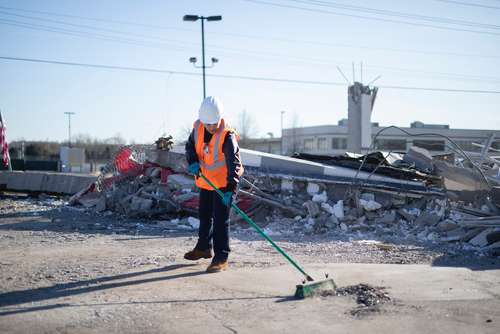
Storms can hit without warning and cause serious damage to homes in a short time. Strong winds, heavy rain, hail, lightning, and flooding can break roofs, flood rooms, and damage important parts of a house. After a storm, many homeowners feel stressed and confused about what to do first.
This is where storm damage restoration services help. These services focus on cleaning, repairing, and restoring homes after storm damage. Professional teams act quickly to stop further damage and bring the home back to a safe and livable condition.
In this blog, you will learn how storm damage restoration helps homeowners recover quickly and what steps are involved in the process.
What Is Storm Damage Restoration?
Storm damage restoration means repairing and cleaning a home after it gets damaged by a storm. It includes fixing water damage, removing debris, repairing roofs, and restoring the inside of the house.
Restoration experts do not only fix what you can see. They also look for hidden damage inside walls, ceilings, and floors. Their goal is to make the home safe, clean, and strong again.
Storm restoration usually includes:
- Emergency response
- Water removal
- Drying the property
- Roof and structural repairs
- Cleaning and sanitizing
- Mold prevention
- Final restoration work
Why Storm Damage Needs Fast Action
After a storm, time matters a lot. Damage gets worse if you wait too long.
For example:
- Water spreads into walls and floors
- Wood starts to weaken
- Mold begins to grow within 1–2 days
- Electrical systems may become unsafe
- Furniture and belongings get destroyed
Fast action helps stop these problems early.
Storm damage restoration teams arrive quickly to reduce damage and protect your home from further issues.
Step 1: Emergency Response and Inspection
The restoration process starts right after you call a professional team. Most companies work 24/7 because storms can happen anytime.
When the team arrives, they first inspect your home. They check all areas carefully to understand the damage.
They look for:
- Roof damage
- Broken windows
- Water leaks
- Flooded rooms
- Structural damage
- Safety hazards
The team also takes photos and notes. This helps with insurance claims later.
After inspection, they create a clear plan for restoration.
Step 2: Securing the Home
Storms often leave homes exposed. Broken roofs, missing windows, and damaged walls allow rain, wind, and animals to enter.
So the next step is to protect the property.
Roof Tarping
If the roof is damaged, workers cover it with strong tarps. This stops more rain from entering the house.
Boarding Up Openings
Broken windows and doors are covered with wooden boards. This helps:
- Keep the home safe
- Prevent theft or damage
- Block rain and wind
- Protect the inside of the house
Securing the home is very important because it stops the damage from getting worse.
Step 3: Water Removal and Drying
Water damage is one of the biggest problems after a storm. Heavy rain or flooding can fill rooms with water quickly.
Water Extraction
Restoration teams use special pumps and machines to remove standing water. This step is done as fast as possible to prevent damage.
Drying the Home
Even after water is removed, moisture stays inside walls and floors. So professionals use:
- Air movers
- Dehumidifiers
- Moisture meters
These tools help dry everything completely.
Drying the home properly is important because hidden moisture can lead to mold and rot.
Step 4: Cleaning Debris and Damaged Materials
Storms often leave behind a lot of mess. Trees may fall, roofs may break, and objects may scatter everywhere.
Restoration teams remove:
- Broken wood
- Roofing materials
- Fallen branches
- Glass and debris
- Damaged furniture
They clean the area to make it safe again.
This step also prepares the home for repair work.
Step 5: Roof and Structural Repairs
The roof protects your entire home, so it is often the first thing to get repaired.
Roof Repairs
Workers fix or replace:
- Missing shingles
- Broken tiles
- Leaks
- Damaged roof sections
If the damage is severe, they may replace the entire roof.
Structural Repairs
Storms can also damage the structure of the house. This includes walls, ceilings, and support beams.
Restoration teams repair:
- Cracked walls
- Weak beams
- Damaged ceilings
- Broken framing
These repairs make the home strong and safe again.
Step 6: Preventing Mold Growth
Mold is a serious problem after storm damage. It grows fast in wet and humid areas.
Mold can:
- Damage walls and furniture
- Spread through the home
- Affect indoor air quality
- Cause health problems
To prevent mold, professionals:
- Dry all wet areas quickly
- Use moisture checks
- Apply anti-mold treatments
- Improve air circulation
Stopping mold early saves time and money later.
Step 7: Cleaning and Sanitizing the Home
After repairs, the home still needs deep cleaning.
Storms can bring dirt, bacteria, and contaminated water inside. So restoration teams clean and sanitize everything.
They clean:
- Floors
- Walls
- Carpets
- Furniture
- Kitchen and bathrooms
They also remove bad smells caused by water and damage.
This step makes the home fresh and safe again.
Step 8: Restoring Personal Belongings
Storms can damage important personal items. Many homeowners worry about losing their belongings.
Restoration teams help save and clean items such as:
- Clothes
- Furniture
- Electronics
- Photos
- Documents
- Kitchen items
They use special cleaning methods to restore these items whenever possible.
Sometimes, items that look badly damaged can still be saved with proper cleaning.
Step 9: Repairing Interior Spaces
Once the structure is safe and dry, workers start repairing inside the home.
They fix and replace:
- Drywall
- Paint
- Flooring
- Cabinets
- Doors
- Ceiling panels
This step makes the home look normal again.
The goal is to bring the house back to its original condition or even better.
Step 10: Insurance Support
Dealing with insurance after a storm can be confusing and stressful.
Many restoration companies help homeowners with insurance claims.
They:
- Take photos of damage
- Prepare reports
- Provide repair estimates
- Communicate with insurance adjusters
This support helps homeowners get faster approvals and fair coverage.
How Storm Damage Restoration Helps Homeowners Recover Quickly
Storm damage restoration speeds up recovery in many ways.
1. Fast Emergency Action
Professionals arrive quickly and stop damage from spreading.
2. Proper Water Removal
They remove water and dry the home before serious damage happens.
3. Expert Repairs
Trained workers fix roofs, walls, and structures safely and correctly.
4. Mold Prevention
They stop mold before it starts growing.
5. Safe Cleanup
Teams remove debris and dangerous materials safely.
6. Full Home Restoration
They restore both the structure and interior of the home.
7. Less Stress for Homeowners
Homeowners do not have to handle everything alone. Experts manage the entire process.
Benefits of Hiring Storm Damage Restoration Experts
Hiring professionals gives many advantages:
- Faster recovery time
- Better repair quality
- Improved safety
- Lower long-term costs
- Proper insurance support
- Complete restoration services
Trying to fix storm damage alone can take more time and may lead to mistakes. Professionals have the right tools and experience to handle the job correctly.
What Homeowners Should Do After a Storm
After storm damage, homeowners should:
- Stay safe and avoid dangerous areas
- Call a restoration company quickly
- Take photos of damage
- Contact insurance providers
- Avoid using damaged electrical systems
- Save important documents and belongings
Most repair work should be left to professionals for safety reasons.
Conclusion
Storm damage can be overwhelming, but fast and professional restoration makes recovery much easier. Storm damage restoration teams respond quickly, secure the property, remove water, repair structures, and restore the home step by step.
They also help prevent mold, clean the property, and support insurance claims. Most importantly, they help homeowners return to normal life faster and with less stress.