Introduction
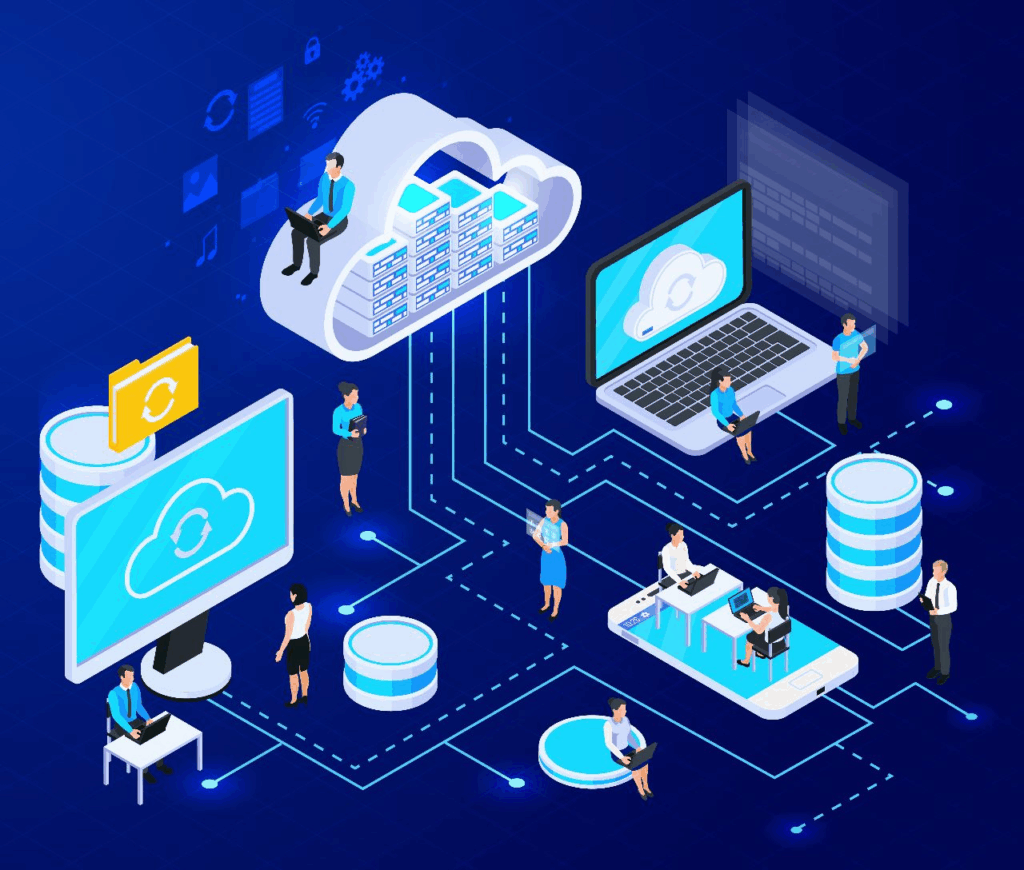
The digital world is growing faster than ever before. Today, people stream movies online, attend virtual meetings, store files on the internet, and access applications without installing heavy software on their devices. Behind all these modern digital services, one technology works silently in the background — Cloud Computing.
Cloud Computing has completely changed how businesses and individuals store, manage, and access data. Instead of depending on physical storage devices or expensive hardware systems, users can now access files, applications, and online services through the internet from anywhere in the world.
A few years ago, companies relied heavily on traditional servers and offline systems. Managing large amounts of data was expensive and time-consuming. Today, cloud technology provides faster access, better storage flexibility, improved security, and reduced infrastructure costs.
Because of rapid digital transformation, Cloud Computing has become one of the most important technologies in the IT industry. From startups and educational platforms to healthcare systems and entertainment applications, almost every sector now depends on cloud-based services.
In this blog, you will understand what Cloud Computing is, how it works, its types, advantages, applications, future scope, and career opportunities in the cloud industry.
What is Cloud Computing?
Cloud Computing is the delivery of computing services such as storage, servers, databases, software, and networking through the internet. Instead of storing information on personal devices or local servers, users can save and access data online using cloud platforms.
In simple terms, cloud computing allows people and organizations to use digital resources whenever needed without managing physical hardware systems.
For example, when you upload photos to Google Drive, watch movies on Netflix, or use online meeting platforms like Zoom, you are using cloud technology.
Cloud Computing has become popular because it offers convenience, scalability, and better accessibility. Users can access files and applications anytime using smartphones, laptops, or tablets connected to the internet.
How Cloud Computing Works
Cloud Computing works through remote servers that are hosted on the internet. These servers store, manage, and process data while users access services online through applications or web platforms.
When someone uploads files to cloud storage, the data gets stored on secure cloud servers instead of the device’s internal storage. Users can then access that information from any location with an internet connection.
Cloud providers manage system maintenance, server updates, security, and backup services. This reduces the burden of maintaining expensive hardware infrastructure.
Modern cloud systems use advanced technologies like virtualization and distributed computing to improve performance and efficiency. These technologies help cloud platforms handle large amounts of data smoothly and securely.
Types of Cloud Computing
Cloud Computing is divided into different models according to user requirements and infrastructure management.
Public Cloud
Public cloud services are available to multiple users over the internet. These cloud platforms are managed by third-party providers and offer flexible online resources.
Private Cloud
Private cloud systems are designed for specific organizations. They provide better control, customization, and security for sensitive business data.
Hybrid Cloud
Hybrid cloud combines both public and private cloud systems. It allows organizations to balance flexibility with stronger security features.
Software as a Service (SaaS)
SaaS provides online software applications without requiring installation on local devices. Users can access applications directly through browsers.
Infrastructure as a Service (IaaS)
IaaS provides virtual servers, networking systems, and online storage solutions through cloud platforms.
Applications of Cloud Computing
Today, Cloud Computing is used across almost every industry because of its flexibility and efficiency.
Cloud Computing in Education
Educational platforms use cloud systems to provide online classes, digital assignments, and cloud-based learning materials. Students can access study resources from anywhere without depending on physical classrooms.
Cloud Computing in Healthcare
Healthcare industries use cloud computing to store patient records, medical reports, and healthcare information securely. Doctors can access data quickly, improving treatment and medical services.
Cloud Computing in Entertainment
Streaming platforms like Netflix and Spotify depend heavily on cloud systems to deliver movies, music, and videos online without downloading massive files.
Cloud Computing in Banking
Banks use cloud platforms for online transactions, customer data management, and secure digital banking services. Cloud technology also improves transaction speed and reliability.
Cloud Computing in Remote Working
Remote working became easier because of cloud technology. Employees can access company files, applications, and communication tools from any location.
Benefits of Cloud Computing
The popularity of Cloud Computing is growing because it offers several advantages for both individuals and organizations.
One of the biggest benefits is flexibility. Users can access data, applications, and services anytime from different devices connected to the internet.
Another major advantage is cost reduction. Businesses no longer need to invest heavily in expensive hardware systems and physical servers. Cloud providers handle maintenance, updates, and storage management.
Cloud Computing also improves data backup and recovery. Files stored in cloud systems remain safe even if local devices are damaged or lost.
Some important benefits of cloud technology include:
- Better accessibility
- Faster data management
- Improved storage flexibility
These advantages make Cloud Computing an essential part of modern digital infrastructure.
Challenges of Cloud Computing
Although Cloud Computing offers many advantages, it also comes with certain challenges.
One major concern is data security and privacy. Since information is stored online, businesses must ensure strong cybersecurity systems to protect sensitive data from cyber threats.
Internet dependency is another challenge. Cloud services require stable internet connections for smooth access and operations. Poor connectivity can affect productivity and performance.
Some organizations also face difficulties while migrating large amounts of data from traditional systems to cloud platforms. In addition, long-term cloud storage costs may increase as data usage grows.
Despite these challenges, the demand for cloud services continues increasing because of their convenience and efficiency.
Future of Cloud Computing
The future of Cloud Computing looks extremely promising as more industries continue adopting digital technologies. Businesses are shifting toward cloud-based systems because they provide better scalability, flexibility, and operational efficiency.
Technologies like Artificial Intelligence, big data analytics, and the Internet of Things are increasing the demand for advanced cloud platforms. Experts believe cloud computing will become even more important in sectors like healthcare, education, cybersecurity, and e-commerce.
As internet technology continues improving, cloud services will become faster, more secure, and more reliable. This growth will also create thousands of new career opportunities for technology professionals worldwide.
Career Opportunities in Cloud Computing
Cloud Computing has become one of the fastest-growing career fields in the technology industry. Companies worldwide are hiring cloud professionals to manage online systems and cloud infrastructure.
Popular career options in cloud computing include:
- Cloud Engineer
- Cloud Architect
- DevOps Engineer
- Cloud Security Specialist
- Systems Administrator
- Network Engineer
- Cloud Consultant
Professionals with cloud computing skills are in high demand because businesses now depend heavily on digital infrastructure and online services.
Learning cloud technologies can provide excellent salary opportunities and strong long-term career growth.
Conclusion
Cloud Computing has transformed the modern digital world by making data storage, software access, and online services faster and more efficient. It allows businesses and individuals to access digital resources anytime without depending on physical infrastructure.
From education and healthcare to entertainment and banking, cloud computing is improving every major industry. Although there are some security and internet-related challenges, the future possibilities of cloud technology are massive.
As digital transformation continues growing worldwide, Cloud Computing will remain one of the most important technologies shaping the future of the internet and online services.
Frequently Asked Questions (FAQs)
1. What is Cloud Computing?
Cloud Computing is a technology that allows users to store and access data, software, and online services through the internet instead of local devices.
2. What are the main benefits of Cloud Computing?
Cloud Computing provides better flexibility, online accessibility, cost savings, and secure data backup systems.
3. Where is Cloud Computing used?
Cloud Computing is used in education, healthcare, banking, entertainment, remote working, and many online services.
4. Is Cloud Computing a good career option?
Yes, Cloud Computing is one of the fastest-growing career fields with excellent salary opportunities and future demand.
5. What is the future of Cloud Computing?
The future of Cloud Computing looks very strong because more industries are adopting cloud-based systems and digital technologies worldwide.