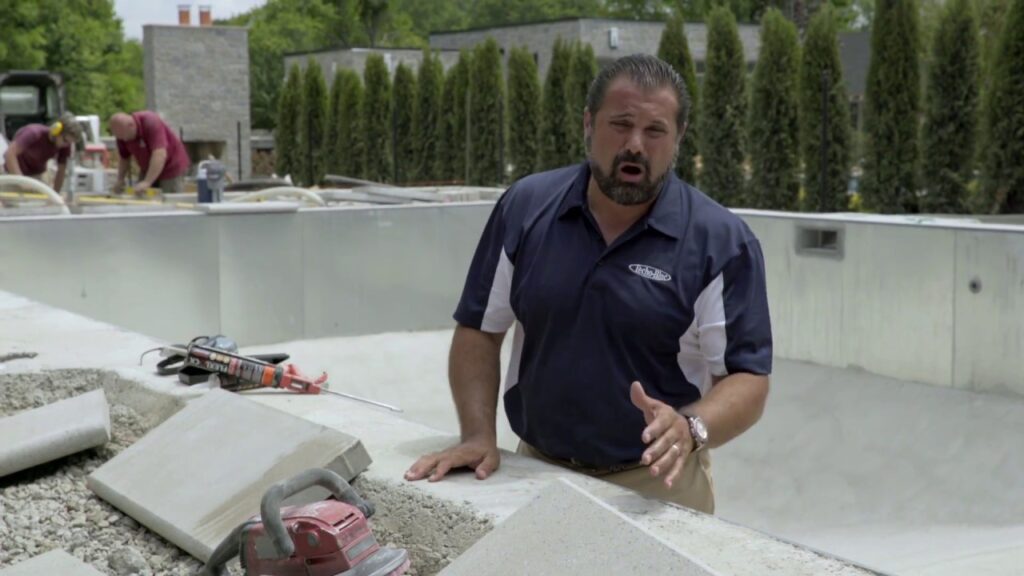
A professionally finished swimming pool is more than a backyard feature; it is a long-term investment in comfort, aesthetics, and property value. One of the most important structural and visual elements of any pool is the coping. Quality pool coping installation services help protect the pool shell, improve safety, and create a polished transition between the pool and surrounding deck surfaces. Whether you are renovating an aging pool or building a new residential oasis, choosing the right coping materials and installation approach directly affects durability, maintenance, and overall appearance.
Modern homeowners increasingly prioritize elegant finishes, slip-resistant materials, and weather-resistant construction. As a result, demand for professional pool coping installation has grown significantly among property owners seeking premium outdoor living environments.
Why Pool Coping Matters for Residential Pools
The coping acts as a protective cap around the edge of the swimming pool. It seals the pool shell, directs splashed water away from the structure, and creates a comfortable perimeter for swimmers. Without properly installed pool coping, water infiltration can gradually damage the surrounding deck and weaken structural integrity.
Residential property owners often overlook the engineering value of coping systems. However, experienced contractors understand that the right installation process prevents cracking, reduces moisture penetration, and improves long-term performance in changing weather conditions. High-quality coping also provides a non-slip edge that enhances safety for families and guests.
Professional contractors offering pool coping installation services typically evaluate several factors before recommending materials, including:
- Climate exposure
- Deck elevation and slope
- Pool shape and dimensions
- Drainage performance
- Surface temperature retention
- Long-term maintenance expectations
A customized installation plan ensures the coping integrates seamlessly with the surrounding landscape and architectural style.
Popular Materials Used for Pool Coping Installation
Different materials create different aesthetics and performance characteristics. Homeowners should understand the strengths of each option before beginning a residential pool renovation project.
Natural Stone Pool Coping
Natural stone remains one of the most desirable materials for upscale pools. Travertine, limestone, sandstone, and bluestone offer timeless elegance with natural texture variation. Stone coping stays relatively cool under direct sunlight, making it comfortable during summer months.
Many luxury landscape designers recommend natural stone because it blends well with outdoor kitchens, patios, water features, and decorative hardscaping.
Precast and Swimming Pool Concrete Coping
Durable swimming pool concrete coping systems continue to be one of the most practical solutions for residential pools. Concrete coping can be customized in various profiles, textures, and colors while offering impressive structural reliability.
Concrete options are especially popular for homeowners seeking:
- Budget-friendly installations
- Modern architectural finishes
- Long-term durability
- Minimal maintenance
- Flexible customization
Professionally poured or precast concrete coping also pairs effectively with stamped concrete decks and contemporary landscaping designs.
Brick Pool Coping
Brick coping creates a classic appearance and complements traditional residential architecture. It offers strong slip resistance and dependable durability when installed correctly. Brick coping works especially well for homeowners who want warm, rustic visual appeal around the pool perimeter.
Travertine Pool Coping
Travertine remains one of the fastest-growing premium choices in the pool industry due to its luxurious appearance and heat-resistant surface. It performs exceptionally well in warm climates and creates a resort-style atmosphere for residential outdoor spaces.
Signs Your Pool Needs New Coping Installation
Over time, exposure to moisture, chemicals, sunlight, and shifting soil conditions can weaken existing coping structures. Homeowners should monitor their pools for early warning signs indicating the need for professional pool coping installation services.
Common signs include:
- Cracked or loose coping stones
- Water leaking behind the pool shell
- Uneven deck surfaces near the pool edge
- Visible gaps between coping sections
- Discoloration or surface erosion
- Sharp edges creating safety hazards
Addressing these issues early helps prevent more extensive structural repairs and expensive renovation costs.
Understanding Pool Coping Installation Cost
One of the most common questions homeowners ask involves the total pool coping installation cost for residential properties. Pricing varies depending on material selection, labor complexity, pool size, and geographic location.
Several factors influence overall installation expenses:
Material Selection
Natural stone generally costs more than precast concrete due to extraction, transportation, and specialized installation requirements. Travertine and premium granite coping can significantly increase project pricing compared to standard concrete alternatives.
Pool Design Complexity
Curved pools, infinity edges, spas, and custom geometric layouts require more precise cutting and finishing techniques. Complex shapes increase labor time and installation difficulty.
Existing Pool Condition
Older pools may require demolition, leveling, waterproofing, or structural repair before new coping can be installed. Additional preparation work impacts the final project budget.
Drainage and Deck Modifications
In some cases, contractors must adjust deck slopes or drainage systems to improve water runoff around the pool perimeter.
Homeowners researching pool coping installation cost should prioritize long-term durability and workmanship instead of focusing solely on the lowest estimate. Proper installation reduces future maintenance costs and increases property value over time.
How to Install Pool Coping Correctly
Understanding how to install pool coping helps homeowners appreciate the importance of hiring experienced professionals for residential projects. Precision installation ensures structural stability, water resistance, and visual consistency.
Surface Preparation
Contractors begin by cleaning and preparing the bond beam surrounding the pool shell. Damaged materials are removed, and the surface is leveled for accurate alignment.
Layout and Material Positioning
Before permanent installation, coping pieces are dry-fitted to ensure proper spacing, curvature alignment, and visual symmetry.
Adhesive or Mortar Application
Depending on the coping material, installers apply high-strength mortar or specialized bonding adhesives to secure the coping in place.
Joint Spacing and Expansion Control
Correct joint spacing allows materials to expand and contract during seasonal temperature fluctuations. Proper spacing prevents cracking and shifting over time.
Sealing and Finishing
Many stone and concrete coping systems benefit from protective sealing to resist moisture absorption, staining, and chemical exposure.
Homeowners searching online for how to install pool coping often discover that professional craftsmanship significantly affects the final appearance and long-term durability of the installation.
Benefits of Professional Pool Coping Installation Services
Experienced contractors provide far more than basic material placement. Professional installation teams understand waterproofing systems, structural movement, expansion joints, and drainage engineering.
Key benefits include:
Improved Pool Longevity
Proper coping installation protects the pool shell from water intrusion and structural deterioration.
Enhanced Safety
Slip-resistant surfaces and smooth edges reduce accident risks around wet pool environments.
Better Property Value
Professionally finished coping improves outdoor aesthetics and increases residential market appeal.
Reduced Maintenance
High-quality materials and precise installation reduce repair frequency and ongoing maintenance costs.
Customized Design Options
Professional contractors help homeowners select coping styles that complement landscaping, patios, outdoor kitchens, and architectural features.
Choosing the Right Pool Coping Style
The right coping style depends on both visual preference and practical performance needs. Residential property owners should consider:
- Home architecture
- Outdoor entertainment goals
- Pool deck materials
- Local climate conditions
- Maintenance expectations
- Slip resistance requirements
Bullnose coping creates a rounded, traditional appearance, while square-edge coping supports sleek modern designs. Cantilever concrete coping delivers a seamless contemporary finish that integrates directly with the surrounding deck.
Professional pool coping installation services often include design consultations that help homeowners balance aesthetics, safety, and budget priorities.
Maintenance Tips for Long-Lasting Pool Coping
Proper maintenance extends the lifespan of both natural stone and concrete coping systems. Homeowners should routinely inspect coping for signs of movement, cracking, or moisture damage.
Recommended maintenance practices include:
- Cleaning debris and standing water regularly
- Resealing porous stone surfaces periodically
- Inspecting joints for deterioration
- Avoiding harsh chemical exposure
- Repairing minor cracks before they spread
Preventive maintenance preserves appearance and minimizes future repair expenses.
Residential Pool Renovation Trends
Modern pool renovation projects increasingly focus on luxury outdoor living experiences. Homeowners now combine premium coping materials with features such as:
- LED landscape lighting
- Integrated spas
- Outdoor kitchens
- Fire pits
- Waterfalls and fountains
- Decorative pavers
- Smart pool automation systems
As outdoor entertainment spaces continue evolving, professionally designed pool coping systems play a central role in creating cohesive backyard environments.
Why Homeowners Invest in Quality Pool Coping
A swimming pool represents one of the largest exterior investments many homeowners make. Quality coping protects that investment while improving safety and visual appeal.
Reliable pool coping installation services help homeowners achieve:
- Long-lasting structural protection
- Elegant outdoor aesthetics
- Improved pool safety
- Reduced repair costs
- Higher property resale value
Choosing experienced professionals and premium materials ensures the pool environment remains functional and visually impressive for years to come.
Conclusion
Investing in professional pool coping installation services is one of the smartest decisions homeowners can make when upgrading or building a residential swimming pool. Properly installed coping protects the pool structure, enhances safety, and creates a refined outdoor appearance that complements the surrounding landscape.
Whether selecting natural stone, travertine, brick, or swimming pool concrete coping, homeowners should prioritize experienced craftsmanship, durable materials, and customized design planning. Understanding pool coping installation cost, learning how to install pool coping, and choosing the right coping style all contribute to a successful long-term investment.
A professionally finished coping system not only improves pool functionality but also transforms the entire backyard into a more luxurious and enjoyable outdoor living space.
FAQs
What is a pool coping installation?
Pool coping installation involves placing protective and decorative materials around the edge of a swimming pool. Coping helps seal the pool shell, improve drainage, and create a safe perimeter for swimmers.
How much does pool coping installation cost?
The total pool coping installation cost depends on pool size, material type, labor requirements, and design complexity. Natural stone and custom installations generally cost more than standard concrete coping.
What is the best material for residential pool coping?
Popular materials include travertine, natural stone, brick, and swimming pool concrete coping. The best option depends on climate, budget, maintenance preferences, and desired aesthetics.
How long does pool coping last?
Professionally installed pool coping can last several decades with proper maintenance. Material quality, installation precision, and environmental conditions all affect longevity.
Can damaged pool coping be repaired?
Minor cracks and loose sections can sometimes be repaired, but severely damaged coping often requires replacement to prevent structural problems and water intrusion.
How to install pool coping properly?
Understanding how to install pool coping involves preparing the pool bond beam, aligning coping materials accurately, applying proper adhesives or mortar, and ensuring correct drainage and expansion spacing. Professional installation is recommended for best results.