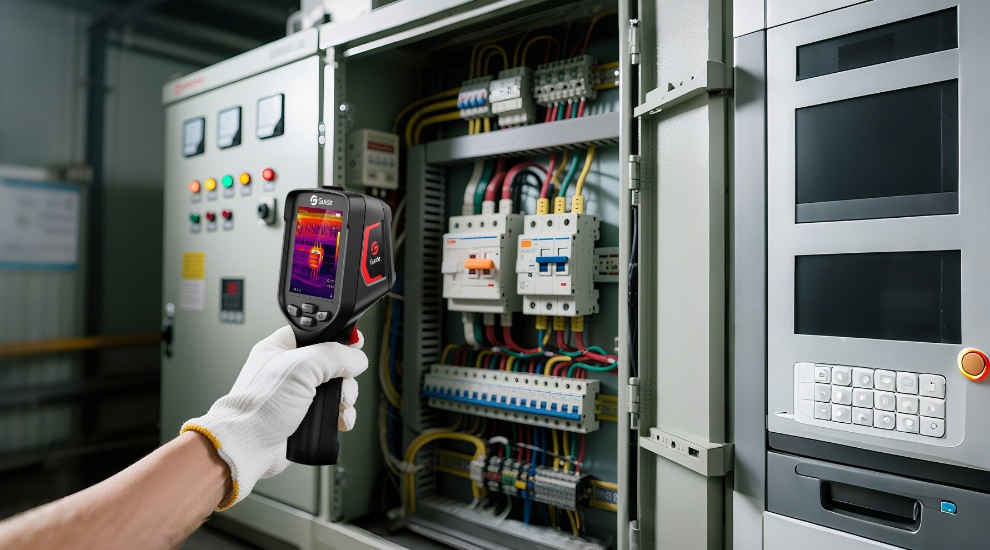
In the rapidly evolving landscape of predictive maintenance and industrial diagnostics, the demand for high-precision diagnostic equipment has never been greater. For professionals operating in electrical, mechanical, and HVAC sectors, identifying potential failures before they occur is critical to maintaining operational efficiency and safety. This is where partnering with a reliable tool-like thermal camera supplier becomes essential for businesses looking to integrate state-of-the-art infrared technology into their daily workflows. By leveraging advanced thermal solutions, technicians can visualize heat patterns that are otherwise invisible to the human eye, enabling them to pinpoint anomalies such as loose electrical connections, motor overheating, or insulation degradation with unmatched accuracy.
The Importance of Precision in Thermal Imaging
Thermal imaging has transformed from a niche technology into a cornerstone of modern industrial maintenance. The capability to detect subtle temperature variations allows teams to conduct non-destructive testing, ensuring that equipment remains functional without the need for costly downtime. When organizations prioritize the acquisition of high-quality thermal tools, they effectively reduce the risk of catastrophic failure and extend the service life of their assets.
Modern thermal cameras are designed with usability and ruggedness in mind. These devices are built to withstand the harsh environments of construction sites, manufacturing floors, and power plants. Features like high resolution, fast frame rates, and wide temperature measurement ranges are no longer luxuries but requirements for modern maintenance engineers.
Enhancing Portability with Innovative Design
The industry is moving toward compact solutions that do not sacrifice performance. The development of a custom pocket thermal camera represents a significant leap forward in this space. These devices offer technicians the flexibility to carry a powerful diagnostic tool in their pocket, ready for immediate use during routine walkthroughs. This portability ensures that inspections are performed more frequently, capturing intermittent issues that might be missed during scheduled maintenance intervals.
Beyond portability, the integration of smart features makes these devices incredibly intuitive. Users can benefit from features such as automatic hot/cold spot tracking, thermal-visual blending, and easy data export. These capabilities allow for more efficient reporting and better decision-making, as technicians can quickly share findings with colleagues or management to initiate repairs.
Technical Superiority and Image Clarity
When evaluating thermal equipment, the quality of the image is paramount. A 256×192 intelligent thermal camera provides a balance of high-definition imaging and practical functionality. With a resolution of 256×192 pixels, these cameras offer clear, sharp images that allow for precise identification of even the smallest heat sources. This level of clarity is vital when examining complex circuit boards or dense industrial machinery where accurate temperature readings are non-negotiable.
The intelligence aspect of these cameras goes beyond simple image capture. Modern devices in this category often feature built-in analysis software, customizable color palettes, and emissivity correction settings. These tools empower users to tailor their equipment to specific materials and environments, ensuring that the data collected is accurate regardless of surface reflectivity or ambient conditions.
Applications Across Diverse Industries
The versatility of intelligent thermal cameras allows them to be deployed across a wide range of industries. In electrical maintenance, these cameras are indispensable for identifying overloaded circuits or faulty breakers. By viewing the thermal profile of a cabinet, a technician can immediately see which components are running hotter than normal, allowing for proactive intervention before a fire or system shutdown occurs.
In the building and construction sector, thermal cameras are used to detect missing or damaged insulation, moisture intrusion, and air leaks. By visualizing where heat is escaping or entering a structure, professionals can suggest targeted energy efficiency improvements, leading to lower utility bills and increased comfort for building occupants.
In mechanical maintenance, thermal cameras are used to inspect bearings, shafts, and gearboxes. Increased friction in these components creates localized heat, which serves as an early warning sign of wear. By identifying these patterns early, maintenance teams can schedule lubrication or part replacement at a convenient time, preventing unexpected production stops.
Connectivity and Data Management
Data management is a critical component of the modern inspection process. Intelligent thermal cameras are increasingly designed to communicate with mobile devices and cloud platforms. This connectivity allows for real-time streaming, remote monitoring, and instant report generation. By syncing data directly to a smartphone or tablet, technicians can annotate images with text, audio, or GPS coordinates before uploading them to a centralized maintenance system.
This digital workflow reduces the time spent on administrative tasks and ensures that maintenance records are kept up to date. Furthermore, the ability to store thermal images over time allows for trend analysis. By comparing current images with historical data, engineers can track the progression of a fault and determine the optimal time to perform repairs, shifting from a reactive model to a truly proactive maintenance strategy.
Future Trends in Thermal Diagnostics
As the technology continues to mature, we can expect to see further advancements in AI integration, higher resolutions, and even more ergonomic designs. The goal remains consistent: to provide professionals with the most accurate, reliable, and easy-to-use tools possible. As companies continue to invest in these capabilities, the standard for industrial safety and maintenance will continue to rise, fostering environments that are safer, more efficient, and more productive. By choosing a partner dedicated to innovation and quality, organizations can ensure they stay at the forefront of the industry, utilizing the best available thermal technology to safeguard their operations.