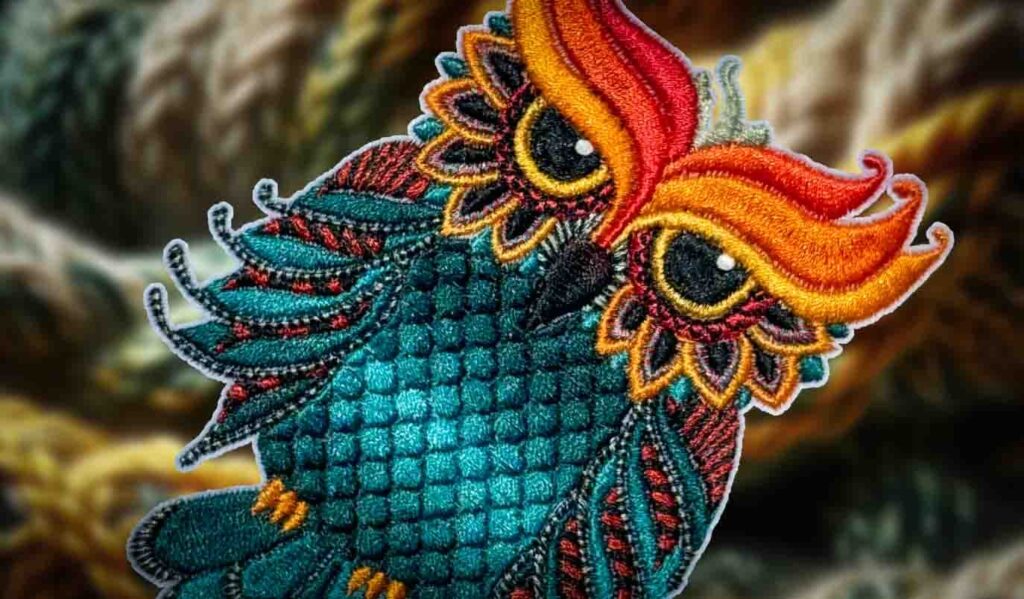
Walk into any streetwear boutique, scroll through Instagram, or attend a music festival, and you will see them everywhere. Denim jackets covered in colorful designs. Backpacks displaying witty slogans. Baseball caps featuring unique logos. The humble patch has roared back into the spotlight, and this time it is not just for scouts and bikers. Designers, small businesses, and major brands all embrace custom embroidered patches as a powerful tool for self-expression and marketing.
The Comeback of Custom Embroidered Patches in Modern Style
Unlike mass‑proprinted graphics that crack and fade, custom embroidered patches offer texture, durability, and a handcrafted feel. People crave authenticity, and a stitched patch delivers exactly that. You can sew or iron it onto anything: a thrifted jacket, a work apron, a canvas tote, even a pair of sneakers. This versatility fuels the trend. One day a patch promotes a coffee shop; the next, it celebrates a favorite band. Fashion enthusiasts love the ability to rearrange, swap, and collect patches, turning a plain garment into a living mood board. For brands, patches turn customers into walking billboards who wear the logo with pride rather than embarrassment.
Why Fashion Has Fallen for Patches Again
High fashion and streetwear now treat patches as essential accessories. Luxury labels release limited‑edition patch collections. Independent designers use patches to customize vintage pieces, adding value without huge production runs. The appeal goes beyond nostalgia. Patches let people personalize clothing in a way that screen printing cannot match. You can mix and match different designs, creating a unique story on a single denim jacket. This DIY spirit resonates with younger consumers who value individuality over uniformity. A factory‑made shirt feels generic. A jacket covered in patches from local artists, sports teams, and meaningful causes becomes a conversation starter.
Patches also elevate simple garments. A plain canvas tote becomes eye‑catching with three well‑placed designs. A basic hoodie turns into streetwear gold with a bold back patch. This transformation costs far less than custom‑manufacturing entire clothing lines. Designers and small boutiques use patches to add value without risking large inventory. The trend shows no signs of slowing. In 2026, patches appear on runway collections, workwear, and even formal blazers. Their tactile quality and timeless appeal bridge the gap between fast fashion and slow, meaningful style.
How Brands Use Patches to Build Loyalty and Visibility
For businesses, custom patches offer a rare combination of low cost and high impact. A well‑designed patch given away at a trade show ends up on a customer’s bag or jacket, providing years of free advertising. Unlike a digital ad that disappears with a scroll, a patch lives on. Every time that customer wears it, dozens of people see the logo. That organic reach costs pennies per impression.
Patches also create a sense of belonging. Sports teams, volunteer groups, and employee recognition programs use them to build community. A “five‑year service” patch on a uniform sleeve signals dedication. A limited‑edition patch for a product launch makes customers feel like insiders. Brands that lean into patch culture see repeat purchases and social media buzz as collectors hunt for the next release. Small businesses, in particular, benefit. A coffee shop can give a patch to every regular customer, turning them into loyal brand ambassadors. A fitness studio can award patches for completing challenges, fostering friendly competition and free promotion.
The Creative Freedom of Custom Designs
One reason custom embroidered patches are trending is the sheer creative freedom they offer. You are not limited to standard shapes or colors. Want a patch shaped exactly like your mascot’s head? No problem. Need a specific Pantone thread to match your brand? Easy. Want glow‑in‑the‑dark thread or 3D puff foam for raised lettering? Available. Modern patch makers can reproduce almost any design, from minimalist wordmarks to detailed illustrations.
This flexibility opens doors for artists, influencers, and small creators. You can turn a hand‑drawn sketch into a run of fifty patches and sell them online. No large minimum orders required. Many services now offer low quantities, making patches accessible to anyone with a good idea. The result is an explosion of unique, limited‑edition patches that fuel the trend further. Collectors trade them like trading cards, and social media feeds fill with patch‑covered jackets.
Patches as a Sustainable Choice
Sustainability drives many fashion decisions today. Custom embroidered patches align perfectly with eco‑conscious values. Instead of buying a new fast‑fashion jacket every season, you can refresh an old one with a patch. That simple act extends the life of the garment and reduces waste. Many patch makers now use recycled polyester thread, organic cotton twill, and bio‑based adhesives. The production process itself generates less waste than screen printing, especially when digitizing eliminates physical test sews.
For brands, patches offer a way to produce merchandise without overstock. You can order a small batch, see how it sells, and reorder only what you need. No more dumping unsold t‑shirts in landfills. Patches are lightweight and easy to ship, reducing carbon footprint. They also make great giveaways at events because they pack flat and carry deep meaning. A patch that commemorates a specific conference or charity run feels more special than a pen or a sticker.
How to Start Your Own Patch Project
Jumping into the patch trend is easier than you think. Start with a simple design. Keep it bold, limit colors to two to five, and make text large enough to read (at least a quarter inch tall). Avoid gradients and tiny details. Send your artwork to a digitizer who converts it into a stitch file. This step is crucial: poor digitizing leads to thread breaks and ugly gaps. Once digitized, choose your backing. Iron‑on works for most casual use; sew‑on is stronger; Velcro allows swapping.
Order a small sample before committing to hundreds. Test the patch on your intended fabric. Iron it on, wash it, and see how it holds up. Only then approve the full run. The entire process, from idea to finished patch, can take as little as two weeks. Many online services offer low minimums, so you can start with fifty pieces or even ten.
Why Needle Digitizing Helps Bring Your Patch Ideas to Life
Creating a professional‑looking custom embroidered patch begins with expert digitizing. Needle Digitizing specializes in converting artwork into clean, production‑ready stitch files. Their team asks about your fabric, size, and desired effects like 3D puff or metallic thread. They provide digital proofs and free revisions, ensuring your patch sews beautifully before you order a single piece. For brands and individuals who want high‑quality patches without the guesswork, Needle Digitizing delivers reliability and craftsmanship.
Caring for Your Patches to Make Them Last
To keep your patches looking fresh, share these care tips. For iron‑on patches, wait 24 hours before washing. Turn the garment inside out, use cold water, and skip fabric softener. Air dry only; dryers melt adhesive. If a corner lifts, re‑press with a dry iron. For sew‑on patches, use polyester thread and double‑knot your stitches. Hand wash heavily patched items. With minimal care, a quality patch lasts for years, even on daily‑worn jackets.
Conclusion
Custom embroidered patches have earned their place at the intersection of fashion and branding. They offer a tactile, personal way to express identity, promote a business, or commemorate a moment. Their versatility, sustainability, and low entry cost make them accessible to everyone from streetwear fans to global brands. Whether you cover a denim jacket, unify a team, or launch a merch line, patches deliver style that sticks. The trend is not a passing fad; it is a return to meaningful, lasting design. So grab an old jacket, dream up a patch, and join the movement. Your story, stitched in thread, will turn heads for years to come.