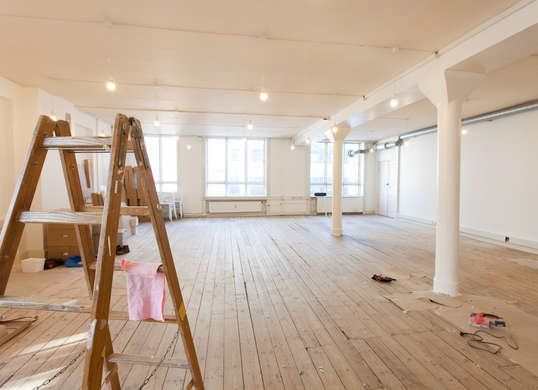
Planning a major business renovation can feel overwhelming, especially when operations, staff, and customers are involved. A successful Commercial Renovation Washington DC project requires careful scheduling, communication, budgeting, and coordination from start to finish. Whether you own a retail store, office, restaurant, or commercial salon renovation Washington DC business, understanding the process helps reduce stress and keeps expectations realistic.
Many business owners assume remodeling simply involves new finishes and updated layouts. In reality, large scale renovations involve permits, inspections, utility planning, contractor coordination, and strict timelines. The more prepared you are before construction begins, the smoother the entire experience becomes.
Understanding the Initial Planning Phase
Before any physical work begins, the planning phase establishes the foundation for the entire project. During a Commercial Renovation Washington DC project, contractors typically evaluate the building structure, mechanical systems, electrical layout, and space functionality.
Business owners often underestimate how much time goes into planning. Design revisions, zoning approvals, and material selections can take several weeks depending on the project size. For example, a retail business expanding its customer area may require occupancy adjustments and updated safety compliance documentation.
Clear communication is critical during this stage. Property owners should discuss goals, workflow concerns, and operational priorities with the renovation team early. A detailed project scope helps prevent delays later.
Budget forecasting also happens during this phase. Contractors usually identify:
• Material costs
• Labor requirements
• Permit fees
• Timeline expectations
• Possible structural upgrades
Strong planning reduces costly surprises and keeps the Commercial Renovation Washington DC process organized from day one.
Permits, Regulations, and Compliance Requirements
Commercial remodeling projects in Washington DC must comply with strict building regulations and city requirements. Permits are not optional, and skipping them can create serious financial consequences later.
A professional Commercial Renovation Washington DC contractor understands local zoning laws, accessibility requirements, fire safety standards, and occupancy regulations. Depending on the property type, multiple inspections may occur throughout the project.
Building Code Considerations
Commercial properties often require updates to meet modern building codes. Older buildings especially may need electrical improvements, plumbing adjustments, or ventilation modifications before cosmetic upgrades can continue.
For example, restaurants and salons typically face additional sanitation and ventilation standards. Office spaces may require updated emergency exits or ADA accessibility improvements.
Timeline Expectations for Approvals
Permit approvals are not always fast. Some approvals may take several weeks depending on project complexity. Many business owners become frustrated during this stage because visible progress has not yet started.
Experienced renovation teams usually manage communication with city departments and inspectors, which helps keep the Commercial Renovation Washington DC schedule moving efficiently.
Managing Daily Business Operations During Remodeling
One of the biggest concerns during commercial remodeling is maintaining normal operations. Some businesses remain partially open during construction, while others temporarily relocate.
A realistic operational strategy is essential during a Commercial Renovation Washington DC project. Noise, dust, restricted access, and temporary utility interruptions can affect employees and customers if not properly managed.
Minimizing Disruptions
Contractors often divide remodeling into phases to reduce interruptions. High traffic areas may be completed overnight or during weekends to protect customer experience.
Temporary barriers, signage, and controlled work zones help maintain safety and professionalism throughout the process. Communication with staff also matters. Employees should understand schedule adjustments and temporary workflow changes before work begins.
Protecting Customer Experience
Customers notice construction immediately. Businesses that communicate clearly with clients usually maintain stronger customer retention during renovations.
Simple actions can make a difference:
• Posting updated business hours
• Sharing progress updates online
• Creating temporary entrances
• Scheduling loud work after peak hours
Proper coordination helps Commercial Renovation Washington DC projects move forward without severely impacting daily revenue.
Budget Management and Unexpected Costs
Even well planned projects can experience budget adjustments. Commercial remodeling involves many moving parts, and hidden issues inside older buildings are common.
During a Commercial Renovation Washington DC project, contractors may uncover outdated wiring, moisture damage, structural concerns, or inefficient plumbing systems after demolition begins. These discoveries can affect timelines and overall expenses.
Creating a Realistic Budget
A strong budget includes both expected costs and contingency funds. Many experienced contractors recommend setting aside an additional ten to fifteen percent for unforeseen conditions.
Material availability can also affect pricing. Certain specialty finishes or imported products may experience supply delays or price increases depending on market conditions.
Avoiding Costly Decision Delays
Frequent design changes during construction often increase expenses significantly. Business owners sometimes change layouts or materials midway through the project, which slows progress and creates scheduling complications.
Clear decision making early in the Commercial Renovation Washington DC process helps maintain financial control and prevents unnecessary delays.
Final Inspections and Project Completion
As construction nears completion, contractors focus on inspections, finishing details, and final walkthroughs. This phase ensures the property is safe, functional, and ready for full business operations.
During a Commercial Renovation Washington DC project, final inspections may include electrical systems, plumbing functionality, fire safety compliance, and occupancy approval. Once approvals are complete, businesses can prepare for reopening or expanded operations.
Quality Checks Before Reopening
Before accepting project completion, business owners should inspect:
• Lighting functionality
• Flooring consistency
• Paint and finish quality
• HVAC performance
• Accessibility compliance
Minor adjustments are normal during final walkthroughs. Reliable contractors address punch list items promptly to ensure client satisfaction.
Preparing Staff and Customers
A newly renovated space often changes workflow and customer interaction patterns. Staff training may be necessary for updated layouts, equipment, or service areas.
Fresh renovations also create marketing opportunities. Many businesses announce reopening events or showcase updated interiors online after completing a Commercial Renovation Washington DC project.
FAQs
How long does a commercial remodeling project usually take?
Timelines vary depending on property size, permits, and design complexity. Most Commercial Renovation Washington DC projects can range from several weeks to several months.
Can businesses stay open during commercial renovations?
Yes, many businesses continue operating during office remodeling or retail renovations with phased construction planning and controlled work areas.
Why are permits important for commercial renovations?
Permits ensure the project follows Washington DC building regulations, safety standards, and occupancy requirements for commercial spaces.
What causes delays during commercial remodeling?
Permit approvals, material shortages, structural discoveries, and design changes are among the most common causes of delays in Commercial Renovation Washington DC projects.
How can business owners control renovation costs?
Clear planning, early material selection, realistic budgeting, and working with experienced contractors help reduce unexpected expenses during commercial property upgrades.
Conclusion
A successful Commercial Renovation Washington DC project depends on preparation, communication, budgeting, and professional coordination. Large scale remodeling affects every aspect of a business, from customer experience to daily operations, which is why careful planning matters so much.
Business owners who understand the renovation process are better prepared to manage expectations and avoid unnecessary disruptions. From permits and inspections to budgeting and final walkthroughs, every stage plays a critical role in achieving long term value and functionality.
If you are preparing for a commercial remodeling project, Schedule a site visit with the OAK Builders LLC team to discuss your goals, timeline, and property requirements with experienced professionals.