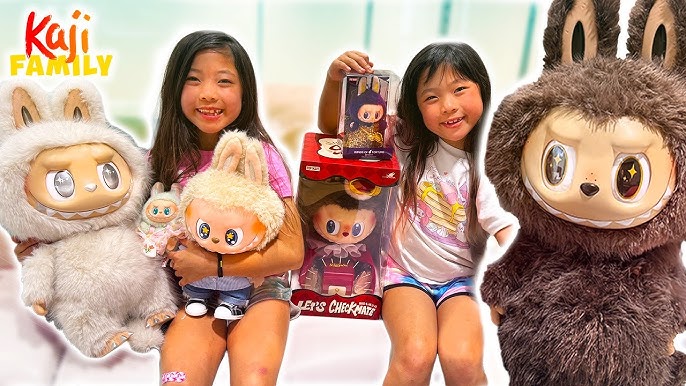
Labubu toys, created by artist Kasing Lung and popularized through Pop Mart, have rapidly grown into a collectible phenomenon in Mexico over the past few years. The Mexican market is unique because it lacks fully centralized official distribution, meaning most Labubu figures arrive through imports, resellers, or secondary Labubu marketplaces. This creates a dynamic pricing environment where costs fluctuate based on demand, rarity, import duties, and currency exchange rates. In 2026, collectors in Mexico are experiencing both rising interest and unpredictable pricing, making it essential to understand how value is shaped in this growing designer toy ecosystem.
Average Price Range of Labubu Toys in Mexico
Labubu pricing in Mexico varies widely depending on edition and source of purchase. Standard blind-box figures typically start around MXN $2,400 to $3,000 when purchased locally or through verified resellers. Imported or rare editions can climb significantly higher, often reaching MXN $10,000 to $15,000 for limited releases or exclusive variants. These prices are notably higher than retail prices in Asia due to shipping costs, customs fees, and reseller markups. Because of this gap, many Mexican collectors rely on group buys or cross-border imports to reduce costs while still accessing authentic figures.
Factors Driving Price Fluctuations in Mexico
Several key factors influence Labubu toy prices in Mexico. Import taxes and shipping logistics play a major role, as most products are not officially distributed nationwide. Currency volatility between the Mexican peso and US dollar also impacts pricing, especially for imported figures. Additionally, hype cycles driven by social media trends and limited-edition releases cause sudden spikes in demand. When a new series launches or a rare “secret” edition appears, resale prices can increase rapidly within days. Counterfeit risks also affect pricing, as verified authentic products command a premium over unverified listings.
Role of the Secondary Market and Resellers
The secondary market is the backbone of Labubu availability in Mexico. Platforms like Mercado Libre, Instagram shops, and collector groups in cities such as Mexico City and Monterrey dominate sales activity. Many resellers import Labubu figures in bulk from Asia and redistribute them locally, adding markup for logistics and profit. This system creates both accessibility and instability in pricing, as sellers adjust rates based on demand spikes. Verified resellers who provide authenticity proof, such as hologram checks or unboxing videos, often charge significantly more than informal sellers but are trusted by serious collectors.
Popularity Growth and Cultural Influence
Labubu’s rising popularity in Mexico is strongly tied to Gen Z collectors and social media exposure. TikTok and Instagram have played a major role in introducing the character to new audiences, especially through unboxing videos and collectible showcases. Pop-up events in major cities and collaborations with lifestyle stores have further strengthened its appeal. As more collectors treat Labubu toys not just as toys but as art collectibles, demand continues to rise. This cultural shift has turned Labubu into both a hobby and a speculative collectible asset within Mexico’s urban youth culture.
Authenticity Challenges and Counterfeit Issues
One of the biggest challenges in the Mexican Labubu market is counterfeit products. Due to high demand and limited official distribution, fake Labubu figures are common on low-cost listings. Many counterfeit items mimic packaging and branding, making it difficult for beginners to distinguish authentic pieces. Collectors are advised to check holographic seals, serial numbers, and trusted seller history before purchasing. Authentic figures typically carry higher prices, but they also retain better resale value. As awareness increases, the market is gradually shifting toward verified transactions and trusted reseller networks.
Future Market Outlook for Labubu in Mexico
The future of Labubu in Mexico looks promising but highly LABUBU Box competitive. As Pop Mart continues expanding globally, more official distribution channels may eventually reach Latin America, potentially stabilizing prices. However, in the short term, demand is expected to remain strong, especially for limited editions and collaboration releases. Market analysts suggest that while hype may fluctuate, Labubu will likely maintain a strong collector base due to its artistic value and brand collaborations. Over time, the Mexican market may become more structured, reducing extreme price volatility while preserving collector interest.
Conclusion
Labubu toys in Mexico represent a fast-growing collectible market shaped by imports, resellers, and cultural hype. Prices remain significantly higher than official retail due to logistics and scarcity, but demand continues to grow among young collectors. Understanding market trends, authenticity risks, and resale dynamics is essential for anyone entering this space. As the market matures, Labubu is expected to remain a key figure in Mexico’s designer toy scene, balancing between art collectible status and investment-driven demand.